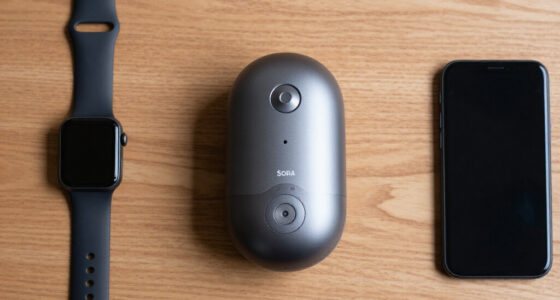
You care more about your health because constant notifications and digital noise can harm your mental well-being, increase stress, and lead to burnout. Distractions from your devices make it harder to focus and stay present, which affects your overall happiness. By prioritizing your health, you’re taking control of your digital habits and reducing overload. If you keep exploring, you’ll discover effective ways to set boundaries and nurture your mental and physical wellness.

Get the latest gadgets delivered free with Prime
- Fast, free delivery on millions of items
- Prime Video, Amazon Music and more included
- Member-only deals all year
Key Takeaways
- Users prioritize mental well-being over digital distractions to reduce stress and prevent burnout.
- Health-focused users recognize the negative impact of digital noise on focus and mental fatigue.
- Creating boundaries around screen time supports overall wellness and mental clarity.
- Engaging in nourishing activities enhances physical and mental health, outweighing the importance of notifications.
- Mindful technology use empowers users to manage digital overload and maintain a healthier balance.
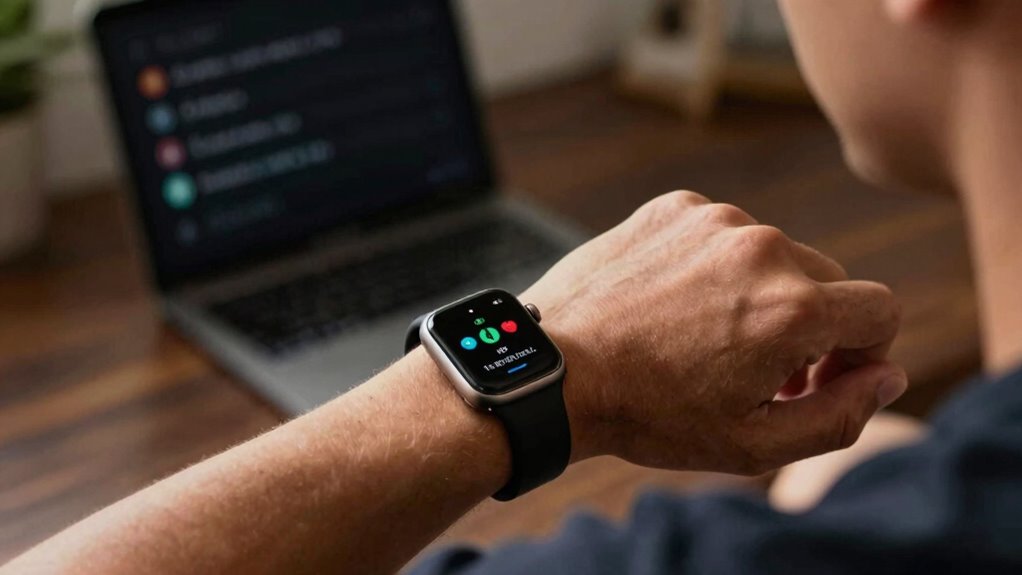
In a world saturated with constant notifications, some users find themselves prioritizing their health over digital alerts. You may feel overwhelmed by the nonstop pings, messages, and alerts vying for your attention, but you’ve realized that your mental well-being depends on stepping back from the digital noise. You understand that frequent interruptions can chip away at your focus, increase stress, and lead to burnout. By choosing to ignore or mute notifications, you’re actively reshaping your digital habits to support your overall health. This shift isn’t just about reducing distractions; it’s about reclaiming control over your mental state and creating space for mindfulness and clarity.
You might notice that your mental well-being improves when you limit your screen time and create boundaries around your devices. Instead of constantly checking your phone or social media, you set designated times to engage and disconnect. This conscious effort helps you cultivate a healthier relationship with technology, preventing it from becoming a source of anxiety. You recognize that digital habits—like compulsively scrolling or responding to every alert—can foster a cycle of dependency that compromises your mental health. So, you establish routines that foster balance, such as turning off notifications during work hours or before bedtime, allowing your mind to rest and reset. Additionally, understanding the impact of digital overload can motivate you to develop healthier habits that support your well-being. Recognizing the importance of healthy digital boundaries can further empower you to stay committed to your mental health goals. Developing an awareness of mental health impacts associated with constant connectivity can help reinforce your commitment to these changes. Moreover, understanding the role of battery life in managing device usage can help you avoid unnecessary device recharges and reduce digital dependency.
Prioritizing health over notifications also means you’re more present in your daily life. You understand that the real world offers experiences and connections that no digital alert can replace. By consciously choosing to attend to your mental well-being, you give yourself permission to step away from the screen and focus on activities that nourish your body and mind—be it exercise, meditation, or spending quality time with loved ones. These choices reinforce your commitment to mental health and remind you that your well-being should always come first.
Ultimately, your decision to care more about health than notifications reflects a deeper understanding of what truly matters. It’s a proactive stance against the chaos of digital overload, emphasizing quality over quantity of digital engagement. You’re not rejecting technology but mastering it—using it as a tool to support your mental well-being instead of letting it control your life. This mindful approach empowers you to foster healthier digital habits, reduce stress, and keep your focus on what genuinely matters. In doing so, you’re creating a more balanced, fulfilling life—one where your health takes precedence over the relentless buzz of notifications. Additionally, adopting a holistic SEO approach can help you better understand and optimize your digital habits for lasting well-being.
As an affiliate, we earn on qualifying purchases.
Frequently Asked Questions
How Do Personal Health Priorities Influence Notification Settings?
Your personal health priorities influence notification settings because you want to stay focused on wellness without constant distractions. You might turn off non-essential alerts to reduce technology fatigue and protect your privacy concerns, ensuring sensitive health data isn’t overly exposed. By prioritizing health, you control notifications, making sure they support your well-being rather than hinder it. This way, you stay motivated and avoid feeling overwhelmed by unnecessary alerts.
What Psychological Factors Drive Health-Focused User Behavior?
Your motivation factors, like a desire for well-being and goal achievement, drive your focus on health. Risk perception plays a vital role, as you’re more likely to prioritize health when you believe potential risks are serious. These psychological drivers make you value health-related information more than notifications, prompting you to stay vigilant. Your behavior reflects a conscious effort to reduce risks and maintain long-term wellness, shaping your interaction with digital alerts accordingly.
Are Health Concerns More Common Among Certain Age Groups?
You might notice that health concerns are more common among older adults, with studies showing that people aged 50 and above prioritize health more than younger generations. Age-related awareness increases as health risks become clearer over time, shaping generational habits. Younger users tend to focus on immediate concerns, but as you age, health naturally moves higher on your priority list, reflecting a broader trend driven by experience and changing priorities.
How Do Cultural Differences Affect Health Versus Notification Preferences?
Cultural perceptions and health stigmas greatly influence your priorities. In some cultures, health is viewed as a essential personal responsibility, making you more attentive to health concerns. Conversely, others might prioritize notifications for social or work updates, seeing them as indispensable. If you come from a culture where health stigmas exist, you might avoid discussing health issues, shaping your focus away from notifications and toward well-being.
Can Health-Focused Users Benefit From Tailored Notification Strategies?
Think of tailored notifications as a personal coach, boosting your health motivation while preventing notification fatigue. You, as a health-focused user, can benefit by receiving alerts that align with your goals, keeping you engaged without overwhelming you. Personalized strategies support your motivation, making health management feel less like a chore and more like a positive routine. This approach helps maintain your focus and sustains long-term health habits.
As an affiliate, we earn on qualifying purchases.
Conclusion
So, next time you pick up your phone, ask yourself—are you truly in control? Behind every notification lies a choice, but what if the real power is in ignoring them altogether? Your health could be silently waiting for you to make that decision. The question isn’t just about notifications anymore; it’s about what you’re willing to prioritize before it’s too late. Will you choose the noise, or will you choose yourself?
As an affiliate, we earn on qualifying purchases.
As an affiliate, we earn on qualifying purchases.
Halloween Picks
halloween
As an affiliate, we earn on qualifying purchases.