
TL;DR

Get the latest gadgets delivered free with Prime
- Fast, free delivery on millions of items
- Prime Video, Amazon Music and more included
- Member-only deals all year
SmartHomeScene compared 12 best-selling Zigbee temperature and humidity sensors from Aqara, Sonoff, Tuya and other brands. Its report, updated Aug. 14, 2026, added refrigerator-temperature benchmarks; the test used a calibrated reference but does not establish identical accuracy across normal room temperatures.
SmartHomeScene has updated its comparison of 12 battery-powered Zigbee temperature and humidity sensors, adding measurements taken in a refrigerator to its head-to-head test. The report compares products from Aqara, Sonoff, Tuya, ThirdReality, Zemismart and Moes against a calibrated reference, offering smart-home users a common test rather than a series of separate product reviews.
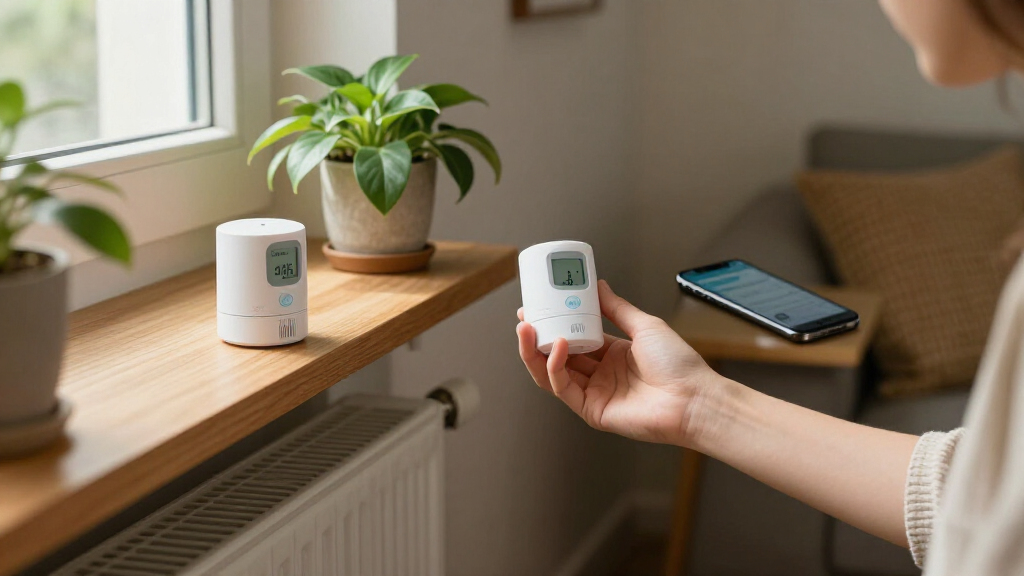
The tested lineup includes sensors sold under brands including Aqara, Sonoff, Tuya, ThirdReality, Zemismart and Moes. All use Zigbee, run on batteries and lack built-in displays. SmartHomeScene said it selected popular models rather than obscure listings; most cost less than $15 on AliExpress, while the included ThirdReality Temperature and Humidity Sensor Lite was listed at $19.99 and is not sold on AliExpress. The report cautions that AliExpress prices vary by region.
For its comparison, the publication placed each device in an office beside a Xiaomi Miaomiaoce MHO-C401, which it used as a reference sensor. The MHO-C401 was flashed with custom firmware and calibrated against a lab-certified thermometer used in a commercial meat refrigerator. SmartHomeScene reports that the reference needed an offset of minus 0.5°C and plus 4% humidity to match that thermometer.
The sensors were tested using Zigbee2MQTT version 2.12.1-dev and an SMLight SLZB-06MG24 coordinator. Each sat about 3.5 metres from the coordinator on a new Zigbee network with no other paired devices, according to the report. The Aug. 14 update added low-temperature refrigerator benchmarks to the comparison.
Choosing Sensors for Home Monitoring
A direct comparison can help buyers judge more than price or a product listing’s stated specifications. Temperature and humidity readings can feed heating, cooling, alerts and automation routines, so discrepancies between sensors and a reference may affect when a smart-home system acts. The report’s range of brands and prices also gives readers a way to compare different options under the same stated test conditions.
The refrigerator addition is relevant to people monitoring food storage or other cooler spaces, where a sensor’s performance may differ from its performance in a living room. However, the test is not a certification of any model, and a result against one reference under one setup does not establish that every unit will behave the same way. Buyers should treat the findings as a comparative test, not a guarantee for every home, installation or temperature.
As an affiliate, we earn on qualifying purchases.
How the Comparison Was Set Up
SmartHomeScene says it chose a head-to-head format because individual reviews do not readily answer which of several products performs best against the same benchmark. The 12 devices were sourced mainly from AliExpress, with Aqara and Sonoff included alongside a range of Tuya-branded or Tuya-based products. Several Tuya devices may appear under different white-label names, the publication says, so it recorded the packaging labels and Zigbee model identifiers it observed.
The reference thermometer was calibrated at around 4°C, a point that SmartHomeScene says is much lower than typical room-comfort conditions. The publication warns that sensors may not respond linearly across a wide temperature range. It says the calibration gives the test a consistent anchor for comparing the devices, but does not guarantee the same accuracy at room temperature. The report also notes that users can apply sensor offsets in Home Assistant.
““Trends matter more than single datapoints, since you can always recalibrate a sensor in Home Assistant.””
— SmartHomeScene
As an affiliate, we earn on qualifying purchases.
Limits of the Temperature Results
The provided report material does not give the individual results for all 12 sensors, so it does not support naming a winner or ranking the models here. It also does not establish how each product performs across a full range of temperatures, humidity levels, battery life or long-term use. SmartHomeScene’s reference calibration was made around 4°C; the publication explicitly warns that accuracy at that point may not match accuracy at room temperature.
The test describes one unit of each sensor in a specific office setup, roughly 3.5 metres from the coordinator. It is not clear from the supplied material whether the refrigerator tests involved repeated trials, multiple units per model or extended monitoring. Prices are also region-dependent, and white-label Tuya devices may be sold under different names, making exact comparisons by retail label harder.
smart refrigerator temperature sensor
As an affiliate, we earn on qualifying purchases.
As an affiliate, we earn on qualifying purchases.
Check Results Before Buying
Readers considering a sensor should consult the full SmartHomeScene report for the model-by-model results and refrigerator measurements, then check that the Zigbee model identifier matches the device they plan to buy. Retail names and prices can vary, particularly for white-label Tuya products. Buyers using a sensor for automation may also want to compare its readings with a trusted reference in their own installation and apply a Home Assistant offset if needed.
No further testing date or follow-up milestone is specified in the supplied material. The comparison’s practical value will depend on its detailed readings and on whether later testing expands beyond the reported setup to room-temperature measurements, repeat units or longer-term performance.
As an affiliate, we earn on qualifying purchases.
Key Questions
How many Zigbee sensors did SmartHomeScene test?
The report compares 12 battery-powered temperature and humidity sensors from Aqara, Sonoff, Tuya, ThirdReality, Zemismart and Moes.
What reference did the report use?
SmartHomeScene used a Xiaomi Miaomiaoce MHO-C401, calibrated against a lab-certified thermometer used in a commercial meat refrigerator. The reference needed offsets of minus 0.5°C and plus 4% humidity, according to the report.
Do the results show how sensors perform at normal room temperatures?
Not conclusively. The reference calibration was made at around 4°C, and SmartHomeScene cautions that sensor readings may not behave linearly across temperatures. The comparison therefore does not guarantee the same accuracy in a typical room.
Which sensor performed best?
The supplied source material does not include the individual model results, so it is not possible to identify a top performer from the information provided here. Readers should check the full comparison for its model-by-model findings.
Source: hn
Evergreen bestsellers Picks
bestsellers
As an affiliate, we earn on qualifying purchases.