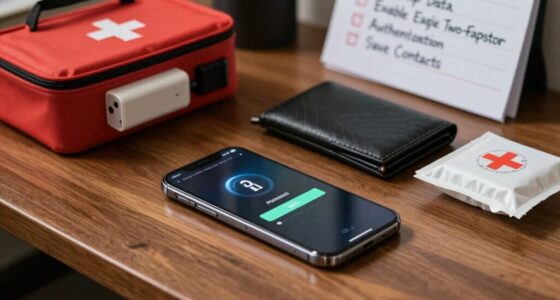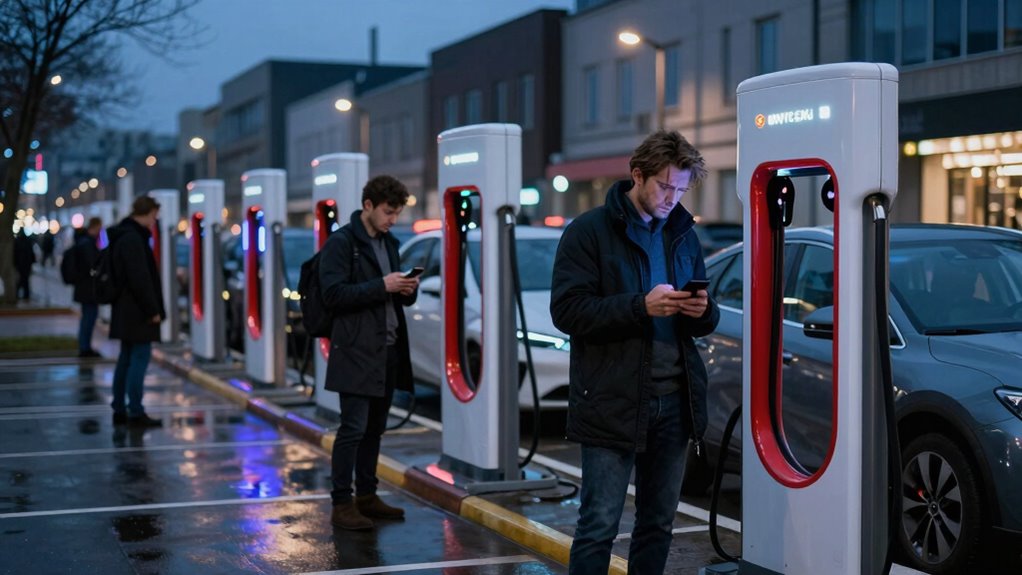

You might feel nervous about public charging because of unreliable stations or the risk of being stranded. Concerns about cybersecurity are common, as stations connect to apps that track your personal data, making you vulnerable to hackers. Many worry about station outages or control hacks that could affect your vehicle’s safety. Staying cautious is understandable, but if you keep exploring, you’ll find ways to navigate these concerns and charge more confidently.

Get the latest gadgets delivered free — and shop member deals
- Fast, free delivery on millions of items
- Access to Prime Big Deal Days deals on October 6–7
- Prime Video, Amazon Music and more included
Key Takeaways
- Uncertainty about the availability and reliability of public charging stations causes concern.
- Cybersecurity risks, including data breaches and hacking, undermine trust in public chargers.
- Vulnerabilities in connected stations can be exploited, leading to potential control or data theft.
- Lack of industry standards and security measures increases the risk of malfunctions or cyberattacks.
- Fear of being stranded or hacked deters users from relying on public charging infrastructure.
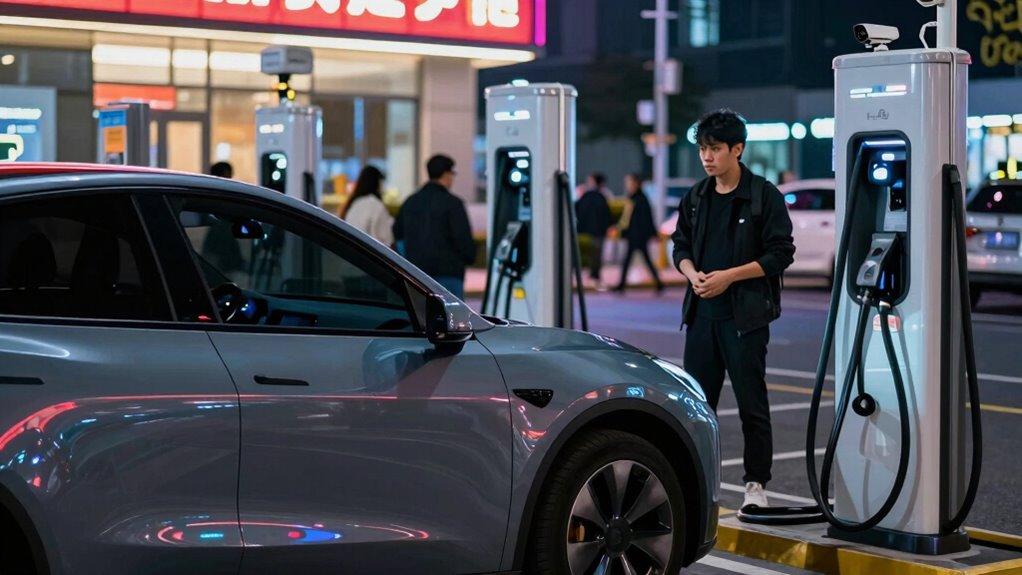
As electric vehicles become more popular, many drivers are beginning to worry about the availability and reliability of public charging stations. It’s understandable — you don’t want to get stranded miles from home, especially if the station is out of service or busy. But beyond the practical concerns, there’s a less obvious issue that makes people hesitant: cybersecurity threats and data privacy. When you plug into a public charger, you’re not just connecting to a power source; you’re also linking your vehicle and personal data to a network that could be vulnerable to hackers.
Many charging stations are connected to apps or networks that track your usage, location, and payment details. While these systems make charging more convenient, they also open pathways for cyberattacks. Hackers could potentially access your personal information or manipulate charging stations to cause disruptions. This risk might seem distant, but as more stations become connected and digital, the likelihood of cyber threats increases. You may worry about your data privacy — whether your location, driving habits, or financial details could be exposed or misused without your knowledge.
Connected charging stations can expose your personal data and increase cybersecurity risks. Stay vigilant and choose secure options.
This concern isn’t unfounded. Cybersecurity threats targeting charging infrastructure are on the rise, with hackers exploiting vulnerabilities to gain control over stations or steal user data. Such breaches could lead to financial loss or even unauthorized control over your vehicle’s charging process. The thought of someone hijacking a charging station or intercepting your personal data can be unsettling, especially given how much you rely on digital systems daily. It’s not just about inconvenience; it’s about your digital security and peace of mind.
Moreover, the lack of regulation and standardization across different chargers adds to the worry. Some public stations might not have robust security measures in place, making them more susceptible to hacking. You may wonder whether the stations you use are secure enough to protect your private information. Standardization efforts are crucial to improving safety and reliability across the industry. Additionally, as the industry evolves, there is a growing emphasis on implementing cybersecurity protocols to safeguard user data and prevent malicious attacks. A unified approach to security can help reduce the overall vulnerability of the public charging network, providing users with greater confidence.
The combination of potential data breaches and the risk of malware or cyber sabotage makes many cautious about trusting public chargers completely. Despite the convenience, this layer of digital vulnerability makes public charging a source of anxiety for many drivers. While improvements in cybersecurity are ongoing, it’s wise to stay informed about the risks and choose reputable charging stations with strong security measures. Recognizing the importance of industry standards can help you make better choices about where to charge your vehicle. Until the infrastructure catches up with the technology, your concerns about cybersecurity threats and data privacy are valid, and they play an important role in shaping your confidence in using public charging stations.
public EV charging station security device
As an affiliate, we earn on qualifying purchases.
As an affiliate, we earn on qualifying purchases.
Frequently Asked Questions
Are Public Chargers Compatible With All Electric Vehicle Models?
Public chargers aren’t compatible with all EV models, so you need to check charging station accessibility and compatibility with your EV before you go. Different stations use various connectors like CCS, CHAdeMO, or Tesla’s proprietary plug. To avoid frustration, verify if your vehicle supports the station’s charging type. Being aware of compatibility guarantees a smoother charging experience and reduces the nervousness around public charging.
How Do Public Charging Stations Handle Payment Security?
Public charging stations handle payment security through robust measures like payment encryption and user authentication. When you connect, your payment details are encrypted, preventing hackers from intercepting sensitive information. Additionally, stations often require user authentication via apps or cards, ensuring only authorized users access the service. These security measures help protect your financial data, making public charging safer and more reliable for you and other EV drivers.
What Are the Safety Measures at Public Charging Points?
At public charging points, safety measures include regular charger maintenance to guarantee everything functions correctly and securely. You’ll also notice vandalism prevention features like surveillance cameras and tamper-resistant hardware, which help deter malicious activities. These measures protect both you and your vehicle, making charging safer. By trusting these protocols, you can confidently charge your EV, knowing that the station is monitored and maintained to prevent accidents and damage.
Can Public Chargers Damage My Vehicle’s Battery?
You might worry about your battery degrading or damage happening while using public chargers, but it’s unlikely if you follow proper charging etiquette. Coincidentally, many chargers now use smart technology to prevent overcharging and protect your battery. While there’s a small risk of battery degradation over time, public chargers are generally safe, especially when you stick to recommended charging practices. Proper use minimizes any potential damage.
Are There Any Hidden Costs With Public Charging Stations?
Yes, there can be hidden fees or usage restrictions at public charging stations. Some stations charge extra for fast charging or have time limits that could lead to additional costs if you overstay. Always read the signage or app details beforehand, so you’re aware of any hidden fees or restrictions. This way, you won’t be caught off guard and can plan your charging stops more effectively.
EV charging station cybersecurity protection
As an affiliate, we earn on qualifying purchases.
As an affiliate, we earn on qualifying purchases.
Conclusion
So, next time you spot a public charger, remember that your hesitation isn’t just in your head—it’s part of a bigger story we’re all living. It’s funny how, just when you think you’re alone in your worries, you realize everyone’s steering through the same uncertainties. That coincidence makes it easier to trust the process and embrace the convenience. After all, isn’t life a little brighter when we realize we’re all in this charging journey together?
portable EV charging station with reliable connection
As an affiliate, we earn on qualifying purchases.
As an affiliate, we earn on qualifying purchases.
As an affiliate, we earn on qualifying purchases.
Fall Picks
fall essentials
As an affiliate, we earn on qualifying purchases.