Good lighting makes a huge difference in photo quality, often outweighing fancy camera specs. It influences mood, colors, and clarity more effectively than expensive gear. Natural light, especially during golden hour, adds warmth and vibrancy that no advanced camera alone can replicate. By mastering light interaction and timing, you can capture stunning images with any equipment. Keep exploring how light shapes your photos, and you’ll discover techniques to elevate your photography further.
Listen free for 30 days with Audible
Thousands of audiobooks and originals — cancel anytime.
As an affiliate, we earn on qualifying purchases.
Key Takeaways
- Proper lighting enhances color accuracy and mood more effectively than high-end camera features.
- Natural light creates authentic, vibrant images regardless of camera quality.
- Good lighting reduces the need for heavy editing, ensuring clearer, more true-to-life photos.
- Mastering light interaction allows for better composition and results with existing equipment.
- Lighting quality directly impacts image clarity and emotional impact, often outweighing camera specs.
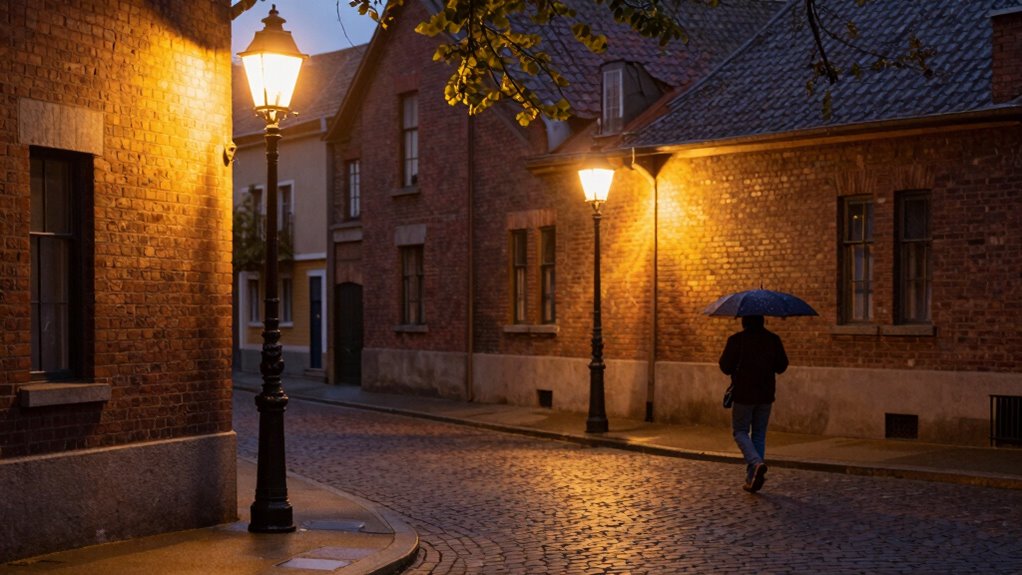
While having a high-end camera can seem like the key to stunning photos, good lighting often makes a bigger difference. The way light interacts with your subject influences the overall mood, clarity, and color accuracy of your images. Natural light, in particular, plays a crucial role because it offers a pure, dynamic source that can bring out true colors and subtle details. Instead of relying solely on advanced camera specs, paying attention to how and when you shoot can dramatically improve your photos. The quality of natural light varies throughout the day, changing in warmth and intensity, which directly impacts the color temperature of your images. Warm sunlight during golden hour creates a cozy, inviting feel, while midday sun produces harsh shadows and cooler tones. Understanding how to harness these shifts allows you to craft images with more depth and emotion.
Color temperature influences the mood and realism of your photos. When you shoot during the early morning or late afternoon, the light’s warm tones enhance skin tones and add a pleasing glow. Conversely, shooting under overcast skies or in shade introduces cooler tones, which can be used creatively or corrected in post-processing. Your camera’s sensors are capable, but without proper lighting, even the most expensive gear can produce dull or flat images. It’s not just about capturing light but understanding its qualities and how they affect your shot. Using natural light effectively means observing how it falls on your subject, adjusting your position, or waiting for the right moment when the light is most flattering. Additionally, understanding lighting conditions and how they influence photo quality can help you make better choices during your shoots. Recognizing the quality of natural light and its behavior during different times of day is fundamental for achieving professional-looking results. Paying attention to how light interacts with your scene can also help you make smarter decisions about composition and timing, especially when considering lighting angles and their effect on shadows and highlights.
You don’t need an arsenal of expensive equipment to take advantage of good lighting. Simple techniques like bouncing light off a nearby surface or shooting during the softer hours of the day can make a significant difference. Good lighting also helps your camera’s sensor capture more accurate colors and details, reducing the need for heavy editing later. When you prioritize how light interacts with your scene, you’ll notice your photos gain clarity, vibrancy, and authenticity. This approach shifts the focus from gear to technique, empowering you to create compelling images with what you already have. Ultimately, mastering natural light and understanding color temperature will give your photos a professional edge without the need for costly camera upgrades.

WELLMAKING 32'' Reflector Photography with tilt Adapter for Studio Outdoor
- 5-in-1 Interchangeable Reflector: Silver, gold, white, black, translucent options
- Easy One-Hand Use: Comfortable grips with accessory attachment point
- High-Quality Reflective Coating: Multi-layer coating for high reflectivity and even light
As an affiliate, we earn on qualifying purchases.
As an affiliate, we earn on qualifying purchases.
Frequently Asked Questions
Can Good Lighting Improve Photos Taken With Smartphones?
Good lighting can markedly improve your smartphone photos. When you use studio lighting and light modifiers, you control shadows and highlights, making your subject look more vibrant and professional. Proper lighting reduces noise and enhances details, even with basic camera specs. By experimenting with light placement and modifiers, you can create stunning images that stand out, proving that lighting often matters more than the camera’s fancy features.
How Does Lighting Impact the Mood of a Photograph?
You might think lighting is just about visibility, but it actually shapes the emotional tone of your photos. Studio lighting, with its precise control, can evoke feelings of warmth, mystery, or serenity. Ironically, the most advanced camera won’t matter if poor lighting ruins the mood. Good lighting directs focus, enhances textures, and sets the emotional tone, proving it’s the real artist behind a compelling photograph.
Is Natural Light Always Better Than Artificial Lighting?
Natural light isn’t always better; artificial sources can be just as effective, especially when you need control over your shot. You benefit from consistent lighting, which artificial sources provide, making your photos clearer and more predictable. Natural light varies with time of day and weather, affecting your mood and tone. So, choose based on your needs—artificial lighting for consistency or natural light for authenticity and mood.
What Are Simple Lighting Techniques for Beginners?
You don’t need complex setups to improve your photos—start with simple lighting techniques. Focus on light placement; position your light source at an angle to reduce harsh shadows. Use diffusion techniques, like a sheer cloth or white sheet, to soften the light and create a more flattering glow. These small adjustments make a big difference, helping you achieve professional-looking results without expensive gear or complicated methods.
How Does Lighting Affect Video Quality Compared to Camera Specs?
Lighting greatly impacts your video quality more than camera specs alone. Proper control of color temperature guarantees natural, consistent skin tones, while light diffusion softens harsh shadows, creating a professional look. Even with a high-end camera, poor lighting can make footage look flat or unappealing. By focusing on these lighting elements, you enhance clarity and mood, making your videos look polished without needing the latest camera technology.

Torjim Softbox Photography Lighting Kit | 16" X 16" & 85W LED Studio Light
- High-Quality Reflective Material: Made of PET fabric and nylon cover
- Even, Soft Lighting: Silver particle inner baffle for uniform light
- Energy-Saving LED Bulbs: 85W bulbs with 3000-7500K range
As an affiliate, we earn on qualifying purchases.
As an affiliate, we earn on qualifying purchases.
Conclusion
Remember, it’s not always about the camera’s megapixels or latest features. It’s about the light that shapes your shot, the light that highlights your subject, the light that transforms a simple image into something special. Good lighting guides your focus, enhances your details, and elevates your story. So, prioritize lighting. Prioritize clarity. Prioritize creativity. Because in photography, it’s not just what you shoot with, but how you light it that truly makes the difference.

Camera Vortex Effect Filter, 77MM Prism Film Special Effects Glass Lens Photography Accessories for DSLR Cinematice Video and Photo, Filter Pouch Included
- Filter Effect: Creates swirling and distorted images
- Material: Made of durable K9 optical glass
- Frame: Aluminium alloy scratch-resistant frame
As an affiliate, we earn on qualifying purchases.
As an affiliate, we earn on qualifying purchases.

Meking Mini Softbox Photography Lighting Kit, Continuous Lighting LED Lamp
- Powerful LED Lamp: 60W with adjustable head and grip
- Softening Diffuser: Folds for easy use, reduces shadows
- Versatile Use: Ideal for small product photography
As an affiliate, we earn on qualifying purchases.
As an affiliate, we earn on qualifying purchases.
College move-in / dorm season Picks
dorm essentials
As an affiliate, we earn on qualifying purchases.