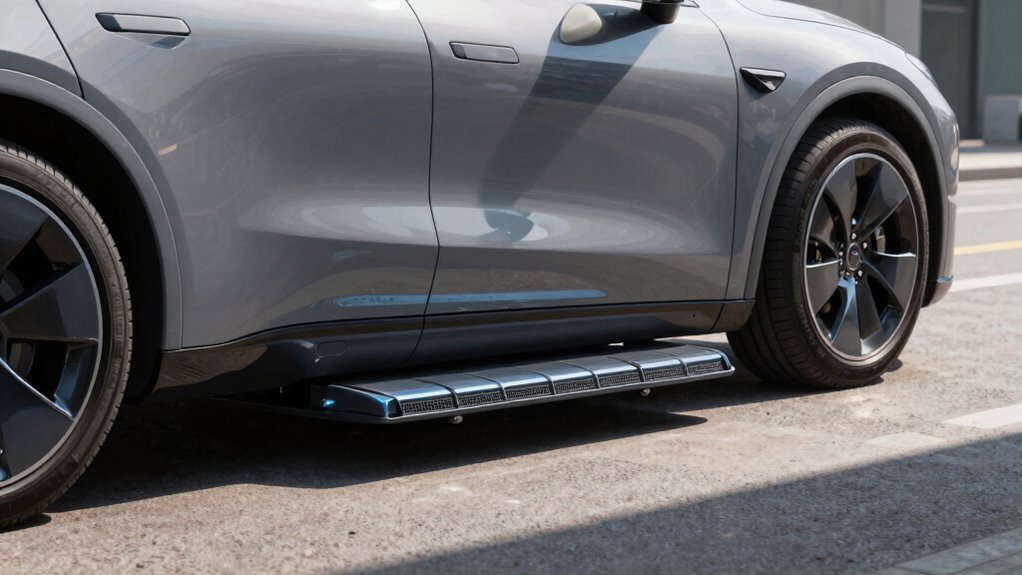

Bigger battery packs in EVs give you longer range but also bring hidden tradeoffs. You’ll feel a difference in handling, especially during tight turns, and your vehicle may become less nimble. Space inside gets limited, and charging times increase, requiring more careful planning for trips. Plus, larger batteries raise the initial cost and might increase maintenance over time. If you want to understand all the subtle implications, keep exploring what these tradeoffs really mean for you.

Get the latest gadgets delivered free — and shop member deals
- Fast, free delivery on millions of items
- Access to Prime Big Deal Days deals on October 6–7
- Prime Video, Amazon Music and more included
Key Takeaways
- Heavier batteries can reduce vehicle agility, handling, and acceleration, impacting overall driving dynamics.
- Larger packs occupy more space, decreasing interior comfort and cargo capacity.
- Longer charging times may require extensive trip planning, despite fast-charging capabilities.
- Increased manufacturing costs and vehicle weight lead to higher purchase prices and potential maintenance expenses.
- The extended range benefits must be balanced against space, handling, and charging inconveniences for optimal consumer choice.
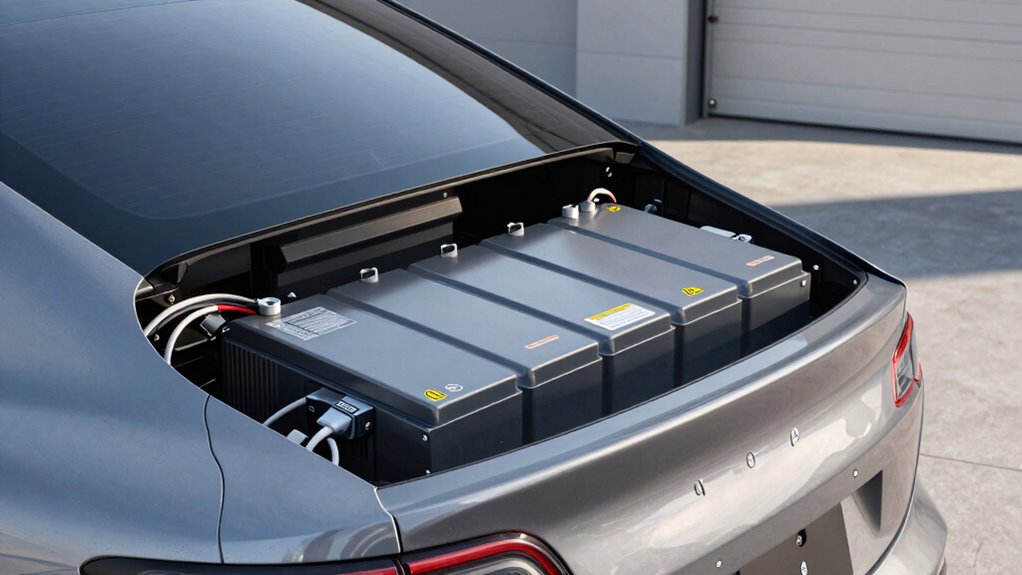
As electric vehicles grow in popularity, manufacturers are increasingly offering bigger battery packs to extend driving range. While this might seem like a straightforward upgrade, it comes with some important tradeoffs you should consider. One of the most noticeable impacts of larger batteries is increased battery weight. As you add more cells to boost range, the vehicle becomes heavier. This added weight can influence your car’s handling, acceleration, and overall efficiency. You might notice that your EV feels less nimble, especially around tight corners or during quick maneuvers. Additionally, the extra weight can put more strain on suspension components and tires, potentially leading to higher maintenance costs over time.
Another key factor affected by larger battery packs is charging speed. Larger batteries generally take longer to charge fully because they store more energy. Even if a vehicle supports fast charging, the time needed to replenish a bigger battery can be significantly longer compared to smaller packs. This means planning your trips becomes more important—you might find yourself waiting longer at charging stations, especially if you’re relying on rapid chargers with limited power output. Although fast chargers can still reduce charging time compared to standard stations, the overall duration will inevitably be longer with a bigger pack. If quick turnaround times are essential for your daily routine, this tradeoff could be a notable inconvenience. Interestingly, battery chemistry plays a role in how efficiently these larger packs can be charged and discharged, influencing overall performance and longevity. Additionally, the manufacturing process for larger batteries can be more complex, impacting overall quality control and reliability. It’s worth noting that advancements in cell technology continue to improve charging efficiency and lifespan, which might mitigate some of these issues over time. Moreover, the design considerations for larger battery packs often involve balancing space and weight distribution, which can affect vehicle dynamics and safety features.
Beyond weight and charging speed, bigger batteries also influence the vehicle’s space and design. They often require larger physical size, which can affect interior cabin space or trunk capacity. You might find that your cargo room shrinks, or that the vehicle’s overall profile becomes bulkier. This isn’t always a dealbreaker, but it’s worth considering if you prioritize cargo space or a more compact vehicle footprint. It’s also important to note that larger batteries can sometimes lead to increased costs of manufacturing, which may be reflected in the vehicle’s price.
Furthermore, bigger batteries tend to be more expensive upfront, which can impact your overall budget. While they do offer longer driving ranges, the initial cost, coupled with potential increases in maintenance, might outweigh the benefits if you rarely need the extended range. Ultimately, the decision to go for a larger battery involves weighing these tradeoffs carefully. You gain in range but lose some agility, convenience, and possibly space. Recognizing these hidden costs allows you to choose an EV that best fits your driving habits and priorities, rather than just chasing the longest possible range.
As an affiliate, we earn on qualifying purchases.
Frequently Asked Questions
How Do Bigger Battery Packs Affect Vehicle Acceleration?
Bigger battery packs can slow your vehicle’s acceleration because of increased battery weight, which adds to the overall mass you need to move. While they provide more power delivery capacity, the extra weight can offset some of this benefit, making acceleration less responsive. You might notice that your vehicle takes longer to reach higher speeds, especially during rapid acceleration, as the added battery weight challenges the power delivery system.
What Are the Environmental Impacts of Larger Batteries?
Have you ever wondered how larger batteries impact the environment? They require more raw material extraction, which can lead to habitat destruction and increased pollution. Recycling challenges also grow with size, making it harder to reuse valuable components and properly dispose of toxic materials. So, while bigger batteries power your vehicle longer, they also strain our planet’s resources, emphasizing the need for sustainable solutions.
Do Bigger Batteries Increase Manufacturing Costs Significantly?
Bigger batteries do increase manufacturing costs considerably because they require more raw materials and advanced production processes. This also impacts the supply chain, as sourcing larger quantities of lithium, cobalt, and other materials becomes more complex and expensive. You’ll find that the increased costs are reflected in the overall price of the battery, which can affect the affordability of electric vehicles and energy storage solutions.
How Does Battery Size Influence Vehicle Resale Value?
Bigger batteries can boost your vehicle’s resale value because they often mean longer battery longevity, which buyers see as a major plus. Studies show that electric vehicles with larger batteries tend to experience less resale depreciation over time. This is because a bigger battery usually indicates better range and durability, making your car more attractive in the used market. So, investing in a larger battery could pay off when you decide to sell.
Are There Safety Concerns With Larger Battery Packs?
Yes, larger battery packs can pose safety concerns, mainly due to potential battery overheating and fire risks. You might notice that bigger batteries generate more heat, which increases the chance of overheating if not properly managed. This risk emphasizes the importance of advanced cooling systems and regular maintenance. While manufacturers design safeguards, understanding these safety issues helps you stay vigilant and guarantees safe, reliable vehicle operation.
electric vehicle cargo organizer
As an affiliate, we earn on qualifying purchases.
As an affiliate, we earn on qualifying purchases.
Conclusion
As you consider bigger battery packs, remember they’re not all roses and sunshine. While they offer longer range, they also bring added weight, cost, and complexity—much like the weight of a medieval suit of armor. You’ll need to evaluate these tradeoffs carefully, just as a wise knight chooses his battles. In the end, finding the right balance ensures you don’t saddle yourself with more than you can carry, echoing the timeless wisdom of “less is more.”
EV tire pressure monitoring system
As an affiliate, we earn on qualifying purchases.
As an affiliate, we earn on qualifying purchases.
As an affiliate, we earn on qualifying purchases.
Fall Picks
fall essentials
As an affiliate, we earn on qualifying purchases.