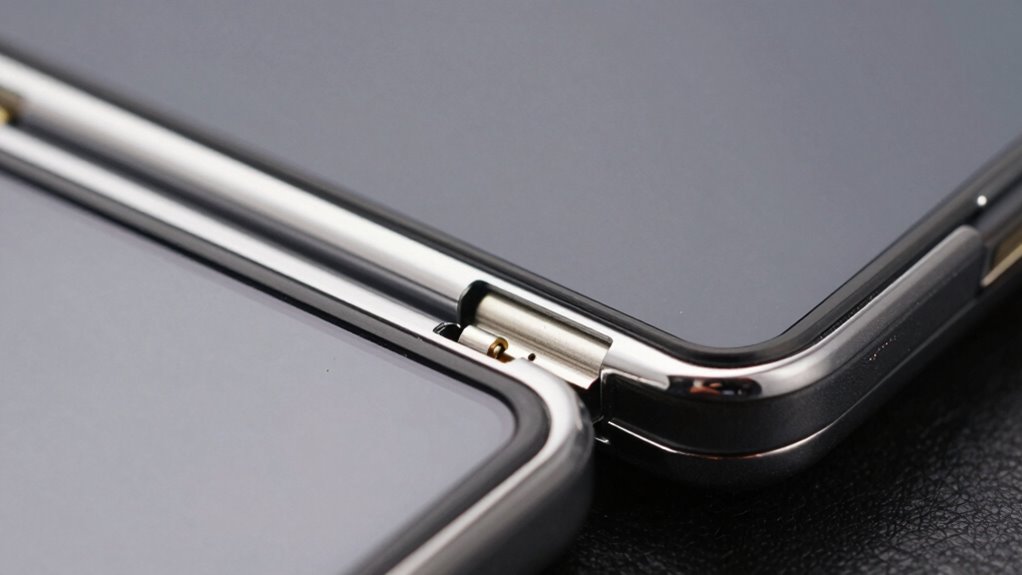

Designing a foldable phone case is tricky because you must balance durability, flexibility, and style all at once. You need materials that can withstand repeated folding without cracking, while maintaining an attractive slim profile. Crafting a hinge that works smoothly over thousands of cycles, without letting dirt or debris get in, adds complexity. Every change impacts overall strength, weight, and usability, making the process more challenging. Keep exploring to uncover more about these intricate design hurdles.

Get the latest gadgets delivered free with Prime
- Fast, free delivery on millions of items
- Prime Video, Amazon Music and more included
- Member-only deals all year
Key Takeaways
- Balancing flexibility and strength in materials to prevent cracking during repeated folds
- Designing durable, smooth hinge mechanisms that withstand thousands of cycles without failure
- Integrating hinges seamlessly without compromising the case’s slim, aesthetic profile
- Ensuring mechanical components do not weaken protection or increase weight excessively
- Conducting rigorous testing to identify weak points and maintain high-quality durability standards
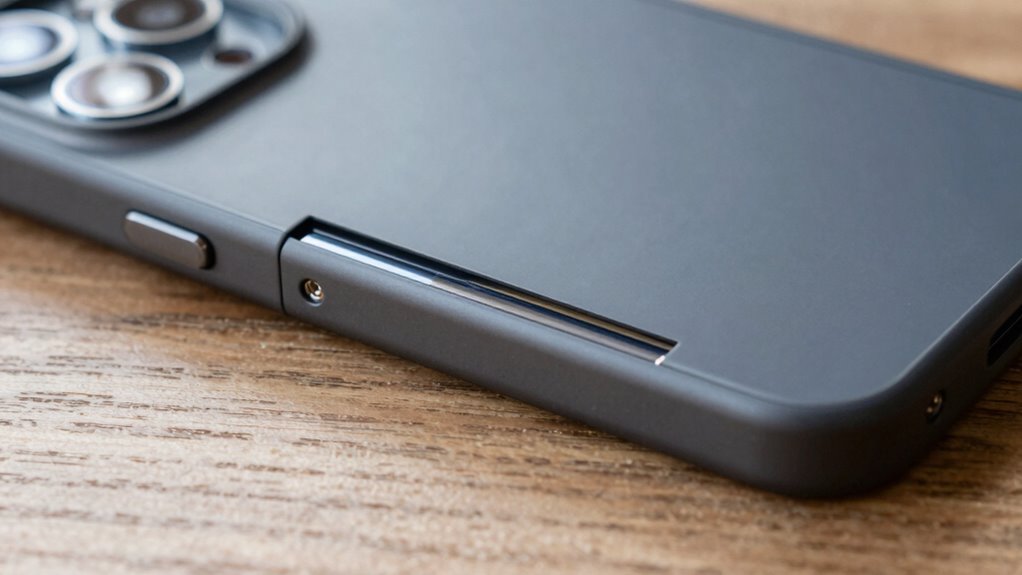
Designing foldable phone cases presents unique hurdles that challenge even the most innovative creators. One of the biggest obstacles you’ll face is ensuring the material durability needed to withstand constant folding without cracking or weakening. Unlike traditional cases, foldable cases must endure repeated bending, which puts stress on the materials used. You need to select materials that are flexible yet strong enough to resist fatigue over time. Silicone, TPU, and certain flexible polycarbonates are common choices, but balancing flexibility with robustness remains a delicate task. If the material isn’t durable enough, the case could fail quickly, compromising the protection of the phone inside. Conversely, overly rigid materials defeat the purpose of a foldable design, making the case cumbersome and difficult to use.
Designing foldable cases requires balancing flexible, durable materials to withstand repeated bending without failure.
Hinge mechanisms are another critical element that *considerably* complicates the design process. Your hinge must allow smooth, consistent folding and unfolding while maintaining structural integrity. The challenge lies in creating hinges that don’t loosen or become loose over time. You need to develop mechanisms that are both precise and resilient, capable of handling thousands of cycles without failure. This often involves intricate engineering, including choosing the right materials for the hinge itself—like reinforced plastics or metal components—and designing them to prevent dirt, dust, and debris from causing damage. Additionally, the hinge must be slim enough to keep the overall profile of the case sleek but strong enough to handle repeated stress. Achieving this balance demands meticulous testing and iteration. Material fatigue is a critical factor that influences the longevity of the hinge and overall case durability. Understanding material properties helps in selecting the most suitable components for durability and flexibility. Incorporating testing protocols during development can help identify potential weak points before mass production.
Another layer of complexity comes from integrating these hinges seamlessly into the case’s overall structure. They must not only function flawlessly but also look aesthetically pleasing and feel smooth in use. If the hinge is bulky or awkward, it can diminish the user experience and make the case less appealing. *Moreover*, you must consider how the hinge impacts the case’s weight and thickness, ensuring it remains lightweight and slim despite the added mechanical components. This integration requires precise engineering to balance form and function without compromising the case’s protective qualities. To ensure the longevity and reliability of the hinge, ongoing maintenance and quality control are also essential throughout the manufacturing process.
All these factors—material durability and hinge mechanisms—intersect to make the design process more demanding. You have to innovate constantly, testing different materials and hinge configurations to find the perfect combination. Every tweak impacts durability, usability, and appearance. Ultimately, creating a foldable phone case that’s both protective and user-friendly requires balancing these technical challenges with creative solutions, making it a complex but rewarding endeavor.
foldable phone case with durable hinge
As an affiliate, we earn on qualifying purchases.
As an affiliate, we earn on qualifying purchases.
Frequently Asked Questions
How Do Foldable Cases Impact Overall Device Weight?
Foldable cases add to your device weight because they incorporate extra materials for flexibility and protection. This can make your phone less ergonomic to hold, especially if the case isn’t designed well. As a user, you’ll notice the increased weight, which might affect how comfortably you use your device over long periods. A good foldable case balances durability and lightweight design to maintain an ergonomic feel without compromising protection.
Are Foldable Cases More Expensive to Produce?
Like a master craftsman shaping a delicate sculpture, you find foldable cases more expensive to produce due to their design complexity. The intricate engineering needed for seamless hinges and flexible materials drives up manufacturing costs. These cases demand precise assembly and higher-quality components, making them costlier than standard options. Ultimately, your choice reflects an investment in innovation that balances durability, functionality, and style, just as a skilled artist invests in their masterpiece.
How Do Foldable Cases Affect Device Warranty?
Foldable cases can impact your device warranty because warranty policies often exclude coverage for damage caused by accessories or cases. Using a foldable case may increase defect risks, especially if it doesn’t fit perfectly or adds strain to the device’s hinge. If damage occurs due to the case, your warranty might not cover repairs. Always check your warranty policies and choose a case designed specifically for your foldable phone to minimize these risks.
Can Foldable Cases Be Customized Easily?
Yes, foldable cases can be customized, but options might be limited compared to standard cases. You can often choose colors, materials, or add personalized designs to enhance aesthetic appeal. However, because of their complex structure, customizing foldable cases may require specialized services, which can be more costly or time-consuming. Still, with the right provider, you can achieve a unique look that reflects your style and offers good protection.
What Materials Are Most Durable for Foldable Cases?
You’ll want to choose materials that excel in material innovation and pass rigorous durability testing. Flexible yet resilient options like thermoplastic polyurethane (TPU) and certain polycarbonate blends are ideal, offering strength without sacrificing flexibility. These materials withstand repeated folding and daily wear, ensuring your case remains reliable. Their advanced properties balance softness and toughness, giving you peace of mind and confidence that your foldable phone case will stand the test of time.
flexible and strong phone case materials
As an affiliate, we earn on qualifying purchases.
As an affiliate, we earn on qualifying purchases.
Conclusion
Designing a foldable phone case feels like trying to craft a spaceship in your garage—complex and demanding precision. You need to balance durability with flexibility, all while keeping it slim enough to fit in your pocket. It’s a game of innovation, much like inventing the first wheel, but with a modern twist. So, as you tinker away, remember: every bend and fold must be perfectly engineered, or your sleek new gadget might just be stuck in a technological Stone Age.
slim foldable phone case with smooth hinge
As an affiliate, we earn on qualifying purchases.
As an affiliate, we earn on qualifying purchases.
Columbus Day / Indigenous Peoples' Day Picks
long weekend sales
As an affiliate, we earn on qualifying purchases.