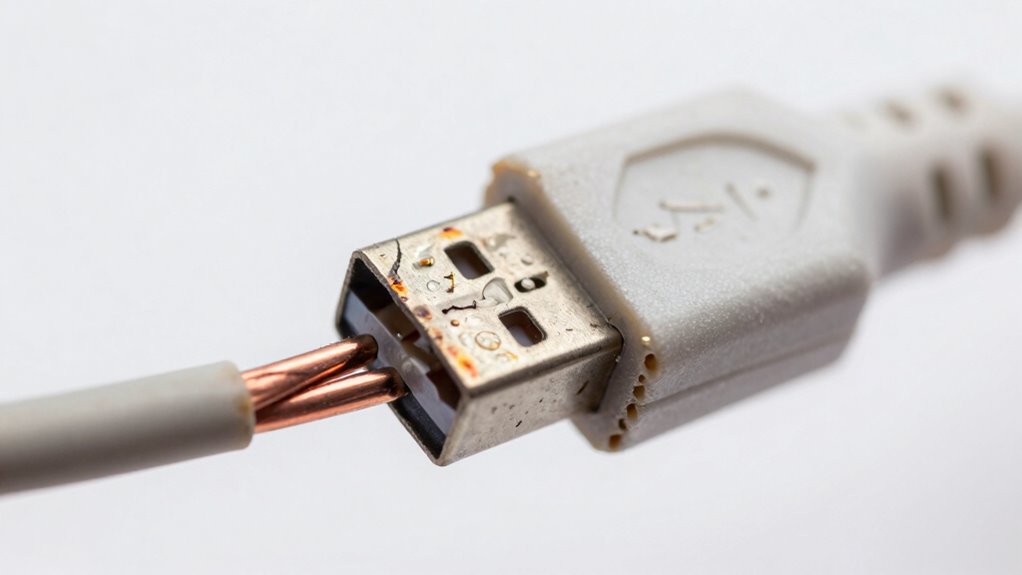

Cheap cables fail quickly because they’re made with low-quality materials and poor manufacturing practices. The wires are often thinner, less durable, and have weaker insulation, which leads to frequent breaks, shorts, or connection issues. Environmental stress and heat buildup further degrade these cables over time. This short lifespan may seem cost-effective at first, but it often results in more replacements and higher costs later. Keep going to uncover the full reasons behind their rapid failure.
Key Takeaways
- Low-quality materials and thinner conductors cause quick wear, breakage, and inconsistent performance.
- Manufacturing defects and poor quality control lead to hidden flaws that cause early failure.
- Inferior insulation and shielding make cables vulnerable to environmental damage and handling stress.
- Heat buildup from poor materials accelerates insulation degradation and shortens lifespan.
- The initial cost savings are offset by frequent replacements and unreliable connections over time.
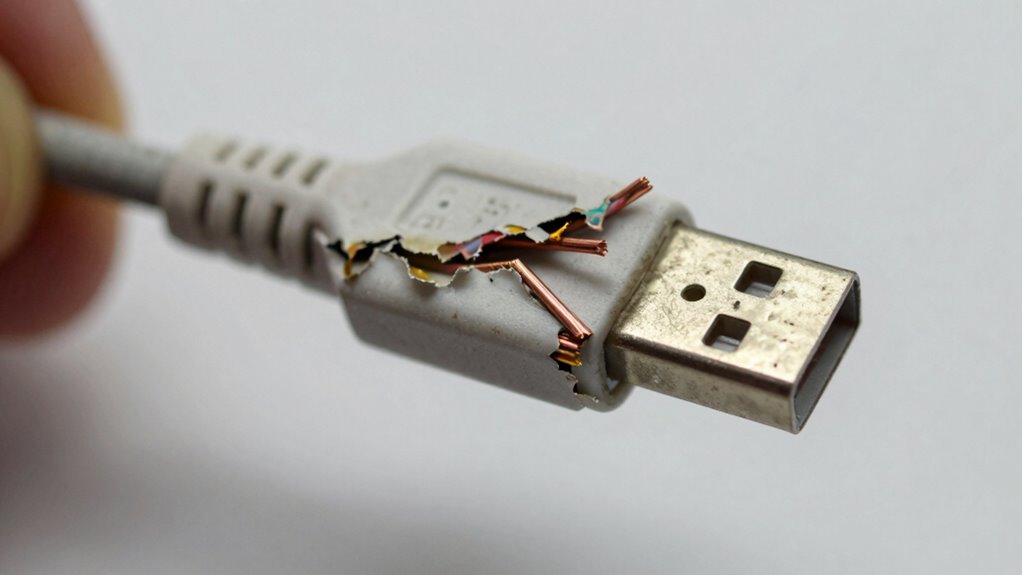
Cheap cables may save you money upfront, but they often fail quickly and leave you stranded. The main reason for this is poor wire quality. When you buy low-cost cables, manufacturers often cut corners to keep costs down, which results in inferior materials being used. These subpar wires are less durable and more prone to breaking or malfunctioning over time. They may have thinner conductors, weaker insulation, or inferior shielding, all of which contribute to their short lifespan. Because the wire quality isn’t up to standard, the cables can’t withstand regular wear and tear, leading to frequent disconnections or complete failure.
Cheap cables fail quickly due to poor wire quality and inferior materials.
Another critical factor behind the quick failure of cheap cables is manufacturing defects. When manufacturers prioritize saving money, quality control often takes a backseat. As a result, you might end up with cables that have flaws such as exposed wiring, poor solder joints, or inconsistent insulation thickness. These manufacturing defects might not be immediately apparent when you purchase the cable, but they often cause problems after minimal use. For example, a tiny flaw in the solder joint can cause intermittent connection issues, or a defect in the insulation can lead to short circuits. Over time, these issues worsen, resulting in total failure of the cable. Manufacturing standards play a crucial role in ensuring cable durability and safety.
Inexpensive cables are also more vulnerable to damage from everyday handling. Low wire quality means they’re less resistant to bending, twisting, or pulling, which are common during daily use. Over time, repeated stress causes the internal wires to fray or break, especially if manufacturing defects exacerbate the problem. Cheap insulation materials are also less resistant to heat and environmental factors, making the cable more susceptible to damage from exposure to moisture or extreme temperatures. When combined with poor manufacturing standards, these factors accelerate the deterioration process. Additionally, wire quality directly impacts the cable’s ability to handle environmental stressors, further reducing its lifespan.
Furthermore, heat buildup in low-quality cables can cause insulation to melt or degrade prematurely, especially during high data transfer or power loads. In short, the failure of cheap cables isn’t just about the cost — it’s about the quality and craftsmanship behind them. When you opt for lower-priced options, you’re often sacrificing wire quality and tolerating manufacturing defects that lead to early breakdowns. These flaws compromise the cable’s integrity from the start and worsen with use. While it might seem like a good deal initially, the short lifespan and constant replacement costs make cheap cables a false economy. Investing a little more in quality cables ensures better wire quality and fewer manufacturing defects, giving you a more reliable connection that lasts longer and saves you money in the long run. Recognizing the importance of material quality can help you make smarter purchasing decisions and avoid unnecessary replacements.

Anker Prime USB C to USB C Cable, 240W Fast Charging Durable Cable (6 ft)
- High-Power 240W Charging: Charges MacBook Pro to 50% in 26 min
- Durable Design: Withstands over 300,000 bends
- Extreme Temperature Tolerance: Operates in -40°F to 176°F
As an affiliate, we earn on qualifying purchases.
As an affiliate, we earn on qualifying purchases.
Frequently Asked Questions
Can Cheap Cables Be Safely Used for High-Power Devices?
No, you shouldn’t use cheap cables for high-power devices. They often lack proper cable shielding, which can cause overheating and signal interference. Additionally, cheap cables usually have lower power ratings, meaning they can’t handle the required current safely. Using them risks damage to your device, potential electrical hazards, and even fires. Always choose cables with appropriate shielding and power ratings to guarantee safe and reliable performance for high-power applications.
How Do I Identify a Genuinely High-Quality Cable?
Picture holding a cable that feels like a strong, flexible ribbon—no stiffness or fragility. To identify a high-quality cable, check its cable flexibility; it should bend easily without cracking. Test the connector strength by gently tugging—solid, well-made connectors won’t wobble or come loose. Look for reputable brands, quality materials, and positive reviews. A genuine high-quality cable feels durable, flexible, and built to last through your everyday demands.
Do Brand-Name Cables Last Longer Than Generic Ones?
Brand-name cables generally last longer than generic ones because they often undergo thorough cable testing and use higher-quality materials. When comparing materials, brands tend to choose durable insulation and copper conductors that resist wear and breakage. As a result, your cable’s longevity improves. So, investing in a reputable brand guarantees better material comparison, reducing the risk of early failure and providing a more reliable, lasting connection over time.
Are There Specific Materials That Improve Cable Durability?
Certain materials markedly boost cable durability, with braided nylon and tinned copper wires leading the way. Studies show braided nylon increases wear resistance by 35%, making cables last longer. When comparing materials, durability factors like flexible insulation and corrosion-resistant metals matter most. So, if you want longer-lasting cables, look for those with robust materials like braided nylon for the outer layer and tinned copper for better conductivity and corrosion resistance.
How Often Should I Replace My Cheap Cables?
You should replace your cheap cables every 6 to 12 months, especially if you notice reduced cable flexibility or frayed insulation. Frequent bending weakens the internal wiring, causing failure. Using cables with color coding can help you identify and handle them properly. Don’t ignore signs of damage—substituting them promptly ensures better performance and safety, preventing potential damage to your devices and maintaining reliable connections.
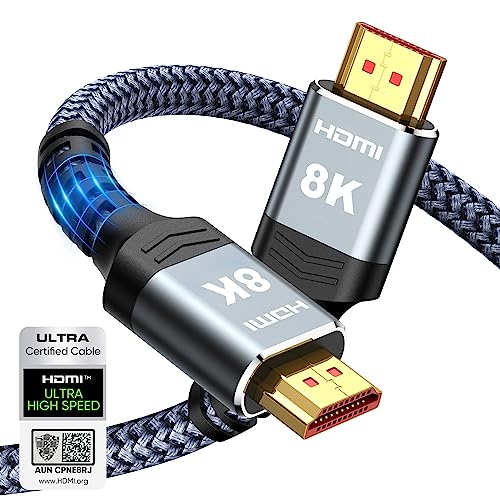
Highwings 8K 10K 4K HDMI Cable 48Gbps 6.6FT/2M, Certified Ultra High Speed
- Supports 8K@60Hz and 4K@120Hz: Displays high-resolution content clearly
- 48Gbps Data Transfer Speed: Ensures smooth video without dropped frames
- Backward Compatible with HDMI Versions: Works with HDMI 2.0 and earlier
As an affiliate, we earn on qualifying purchases.
As an affiliate, we earn on qualifying purchases.
Conclusion
So, savvy shopper, steer clear of cheap cables that crumble and crack. Instead, choose quality, reliability, and resilience to avoid frequent failures. By bypassing bargain-basement buys, you’ll boost longevity and banish the bother of replacing cables constantly. Remember, investing in sturdiness saves stress, saves money, and secures your connection. Stay smart, select strong, and say goodbye to quick failures—because quality cables conquer chaos and carry your current confidently onward.
Anker Prime USB C to USB C Cable, 240W Fast Charging Durable Cable (6 ft)
- High-Power 240W Charging: Charges MacBook Pro to 50% in 26 min
- Durable Design: Withstands over 300,000 bends
- Extreme Temperature Tolerance: Operates in -40°F to 176°F
As an affiliate, we earn on qualifying purchases.
As an affiliate, we earn on qualifying purchases.

Jadaol Cat6 Ethernet Cable 50FT with Clips 10Gbps Flat Network Cable, White
- High-Speed Data Transfer: Supports 10Gbps and up to 250 MHz
- Includes Cable Clips: Bundled with 20 cable clips for easy installation
- Universal Compatibility: Compatible with PCs, routers, switches, and more
As an affiliate, we earn on qualifying purchases.
As an affiliate, we earn on qualifying purchases.